- 24 Hour Emergency Locksmith
- warriorlocks@gmail.com


What's the Difference Between a Transponder Key and a Remote Key?
If you need a replacement car key, you've probably heard terms like transponder key, remote key, flip key, smart key or key fob. While they all help you unlock and start your vehicle, they don't all work in the same way.
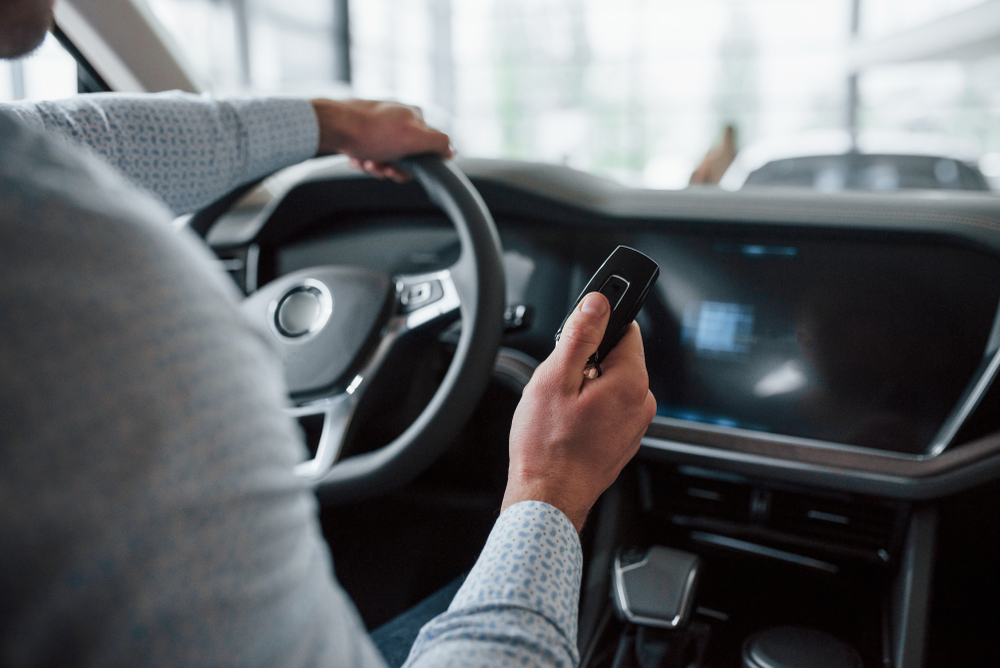
Understanding the difference between a transponder key and a remote key can help you choose the right replacement, understand why some keys cost more than others, and know when professional programming is required.
In this guide, we'll explain everything in simple terms.
What Is a Transponder Key?
A transponder key is a standard-looking car key with a small electronic chip hidden inside the plastic head of the key.
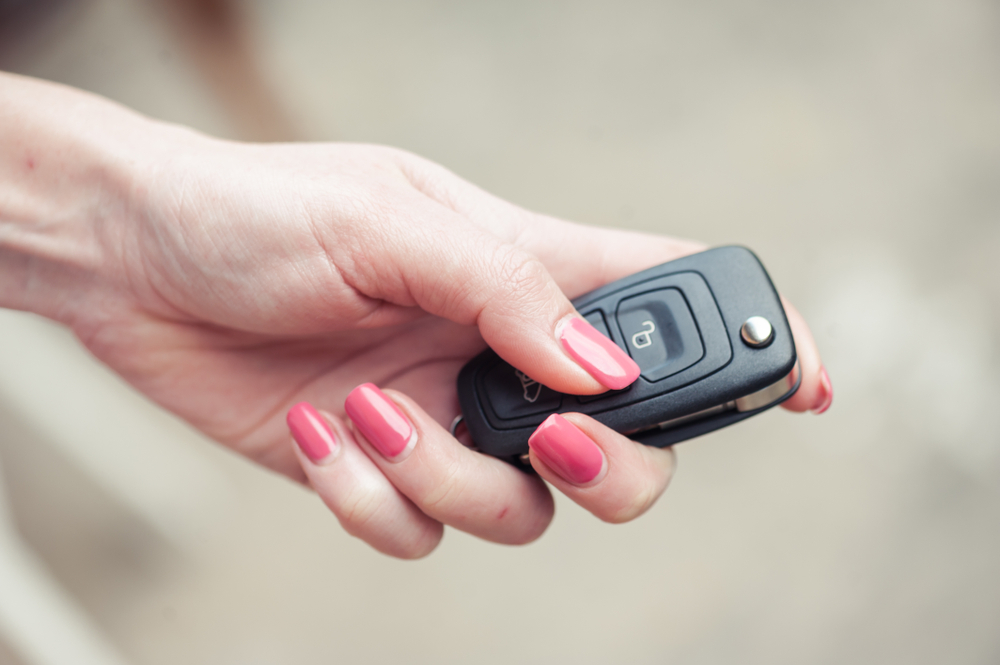
Although it may look like an ordinary key, the chip communicates with your vehicle's immobiliser whenever you insert the key into the ignition.
When you turn the key:
-
The ignition sends a signal to the transponder chip.
-
The chip responds with a unique security code.
-
If the code matches the one stored in the vehicle, the engine starts.
-
If the code doesn't match, the immobiliser prevents the engine from starting.
Without the correct transponder chip, even a perfectly cut key will unlock the doors but won't start the vehicle.
Why Are Transponder Keys Used?
Vehicle manufacturers introduced transponder technology to reduce car theft.
Before transponder systems became common, thieves could often start a vehicle simply by copying the metal key. Today, even if someone copies the physical key, they still need the correctly programmed chip to start the engine.
This added layer of security has significantly reduced vehicle theft across many makes and models.
What Is a Remote Key?
A remote key includes all the features of a transponder key but also contains buttons that allow you to operate certain vehicle functions remotely.
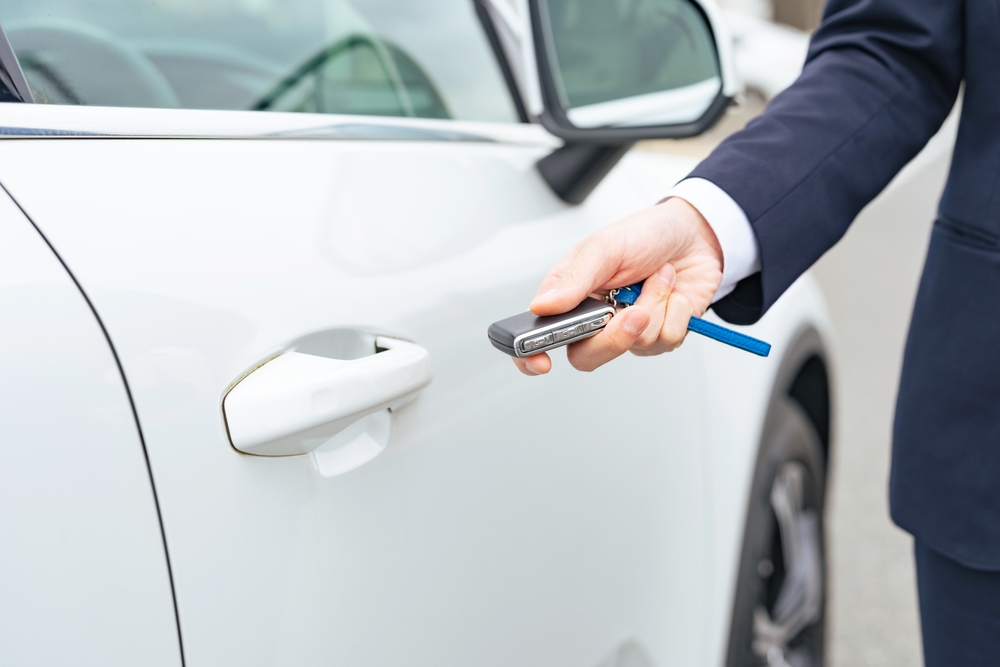
Depending on your vehicle, these buttons may allow you to:
-
Lock and unlock the doors
-
Open the boot
-
Activate the alarm
-
Fold mirrors
-
Operate remote sliding doors (on some vans)
-
Trigger the panic alarm
Most remote keys also contain a transponder chip inside, meaning they both unlock the car remotely and authorise the engine to start.
What's the Main Difference?
The biggest difference is how they control the vehicle.
A transponder key focuses on vehicle security by communicating with the immobiliser, while a remote key adds convenience by allowing you to lock and unlock your vehicle at the press of a button.
Think of it this way:
-
Transponder chip = Starts the engine.
-
Remote buttons = Lock and unlock the vehicle.
Many modern keys combine both technologies into a single unit.
What About Smart Keys?
Many newer vehicles no longer require you to insert a key into the ignition.
Instead, they use a smart key or keyless entry system.
As long as the key is inside the vehicle or nearby, you can unlock the doors and start the engine using the push-button start system.
Smart keys contain:
-
A transponder chip
-
Remote locking functions
-
Proximity sensors
-
Advanced encrypted security
Because of their technology, smart keys are generally more expensive to replace and programme than traditional transponder or remote keys.
Can Either Key Be Copied?
Yes—but the process depends on the type of key.
Transponder Keys
A replacement transponder key must be:
-
Correctly cut
-
Programmed to the vehicle's immobiliser
Without programming, the engine won't start.
Remote Keys
Remote keys require:
-
Precision key cutting
-
Immobiliser programming
-
Remote locking programming
Some vehicles also require synchronisation with the vehicle's body control module before all remote functions operate correctly.
Why Are Modern Car Keys More Expensive?
Many drivers are surprised when they discover that replacing a modern car key costs more than replacing an old-fashioned metal key.
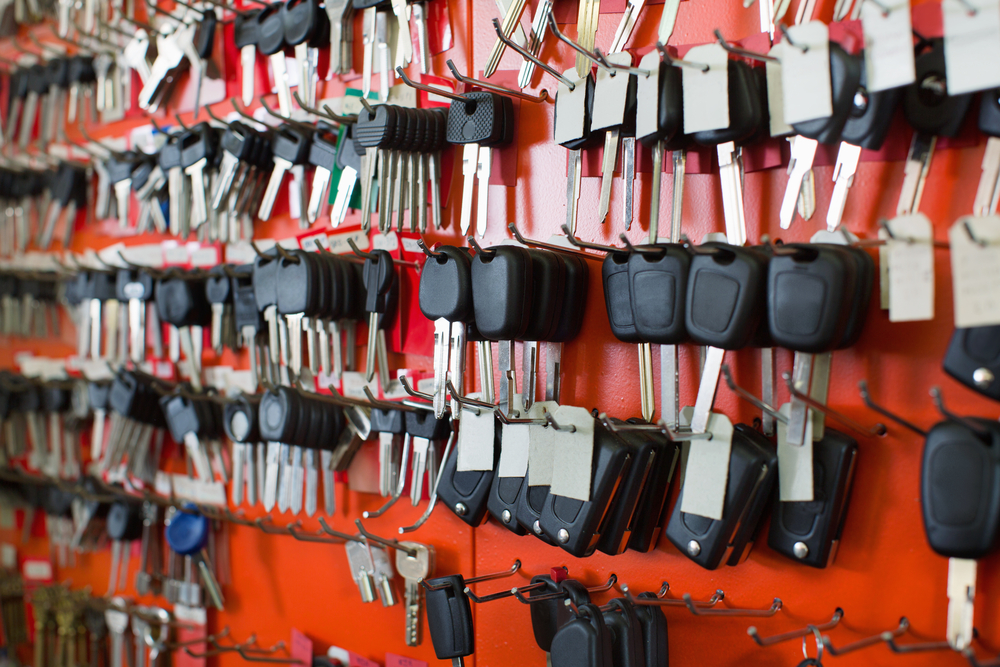
This is because today's keys are miniature electronic devices containing:
-
Security chips
-
Circuit boards
-
Remote transmitters
-
Batteries
-
Encrypted programming
-
Vehicle-specific coding
Professional diagnostic equipment is often needed to programme these keys correctly, particularly on newer vehicles.
Can an Auto Locksmith Replace Both Types of Keys?
In most cases, yes.
A professional automotive locksmith can usually:
-
Cut replacement keys
-
Programme transponder chips
-
Programme remote locking functions
-
Supply spare keys
-
Repair damaged remote buttons
-
Replace key shells and batteries
-
Delete lost or stolen keys from the vehicle's memory
-
Provide emergency replacement keys when all keys have been lost
In many cases, this can be done at your location, saving you the inconvenience and expense of having your vehicle recovered to a dealership.
Which Type of Key Does My Car Have?
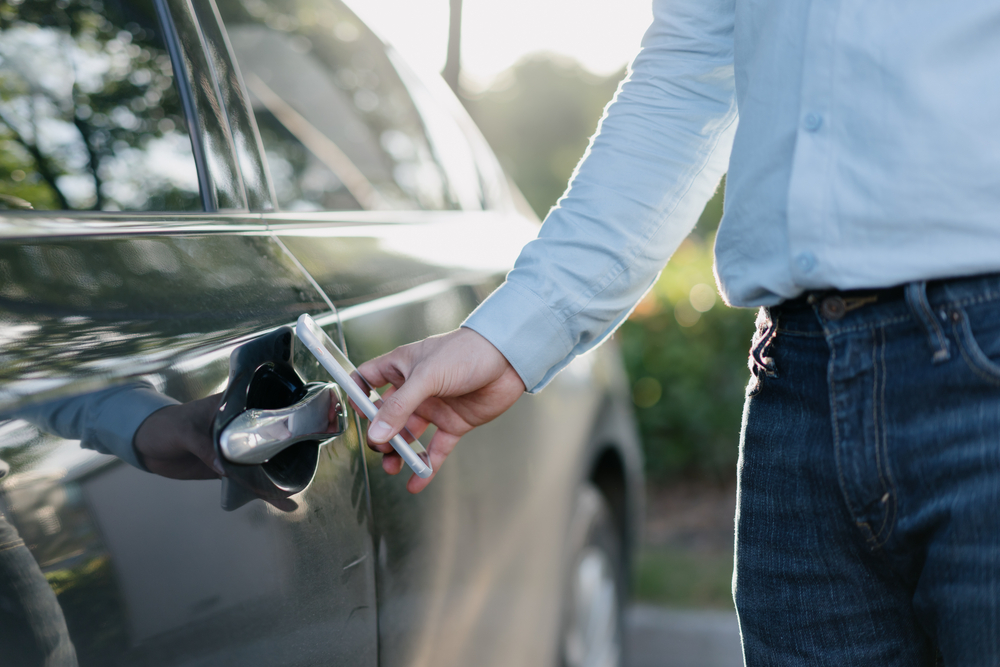
If your key has buttons to lock and unlock the doors, it's likely a remote key with a built-in transponder chip.
If your key has no buttons but still starts the engine, it's probably a transponder key.
If your vehicle has push-button start and the key stays in your pocket or bag, it uses a smart key system.
If you're unsure, an experienced automotive locksmith can quickly identify the type of key your vehicle uses and recommend the most suitable replacement.
Final Thoughts
While the terms transponder key and remote key are often used interchangeably, they serve slightly different purposes.
A transponder key provides the security needed to start your vehicle by communicating with the immobiliser, while a remote key adds convenient features such as remote locking and unlocking. Many modern keys combine both technologies, and newer vehicles often use advanced smart keys with keyless entry and push-button start.
If you've lost your car key, need a spare, or your existing key has stopped working, a qualified automotive locksmith can usually supply, cut and programme a replacement at your home, workplace or roadside—often more quickly and at a lower cost than a main dealership.
Chris Southworth
More News
Maria Broadhurst
Get In Touch
Do you need the services of a local locksmith? Don’t delay, get in touch with Warror Locks today for help or a FREE quote. Alternatively, Call Us on 07471 784656
Julie Sheppard
Our Services
LB
Fantastic locksmith at a great price, I have already planned more work!
MA
Rowen Harsley
Jack Whitehead