- 24 Hour Emergency Locksmith
- warriorlocks@gmail.com


Why Are Modern Car Keys So Expensive to Replace?
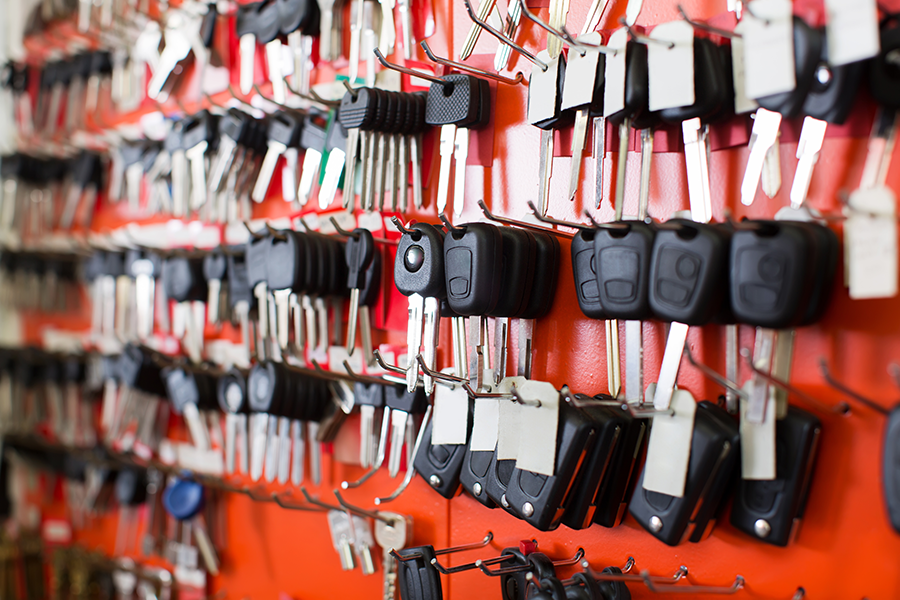
Misplacing or damaging a car key is more than just an inconvenience—it can also result in a surprisingly large expense. Many UK motorists are shocked to discover that replacing a modern vehicle key can cost anywhere from £150 to well over £500, depending on the make, model, and type of key involved.
While a car key may appear to be a simple accessory, today's keys are sophisticated electronic devices packed with security features and advanced technology. Understanding what goes into a replacement can help explain why the costs are significantly higher than they were just a decade ago.
The Evolution of Car Key Technology
Traditional metal keys have largely been replaced by electronic systems designed to improve vehicle security and driver convenience. As technology has advanced, so too has the complexity—and cost—of replacement keys.
Transponder Keys
Introduced widely in the late 1990s, transponder keys contain a small microchip that communicates directly with the vehicle's immobiliser system. If the correct coded signal is not detected, the engine will not start.
Each transponder key must be individually programmed to the vehicle, meaning replacement involves much more than simply cutting a new key blade.
Remote Key Fobs
Remote key fobs offer convenient features such as central locking, remote unlocking, and, in some cases, remote engine start. These devices contain electronic components that require specialist programming to synchronise with the vehicle.
In many cases, the mechanical key blade must also be precision-cut to match the vehicle's locks, adding further complexity and cost.
Smart Keys and Keyless Entry Systems
Modern vehicles increasingly utilise smart key technology, allowing drivers to unlock and start their cars without physically inserting a key. These systems rely on encrypted radio frequency communication between the key and the vehicle.
Because of their advanced electronics and enhanced security protocols, smart keys are often the most expensive type of replacement. For premium vehicle brands, replacement costs can easily exceed £500.
Advanced Security Features Increase Costs
Vehicle manufacturers continually invest in security technology to combat theft. Modern keys incorporate sophisticated encryption, rolling codes, and secure communication protocols that make unauthorised duplication extremely difficult.
These security measures are particularly important in the UK, where keyless vehicle theft remains a growing concern. Criminals often use relay devices to capture and extend a key's signal, allowing them to gain access to a vehicle without physically possessing the key.
To prevent this, manufacturers implement increasingly complex security systems. As a result, replacement keys must be carefully programmed and authenticated using specialist equipment, contributing significantly to overall costs.
Specialist Equipment and Technical Expertise
Replacing a modern car key involves far more than cutting a new piece of metal. In most cases, specialist diagnostic tools are required to communicate with the vehicle's onboard computer and program the replacement key.
Many newer vehicles require manufacturer-specific software, security codes, and programming procedures. While some automotive locksmiths invest in this equipment, others may not have access to the latest systems, particularly for newer or luxury vehicles.
Programming a replacement key often requires:
-
Vehicle diagnostics and security verification
-
Coding and synchronisation of the new key
-
Immobiliser programming
-
Remote function configuration
-
Mechanical key cutting where required
The investment in specialist tools, software subscriptions, and technician training is reflected in the final replacement cost.
Limited Competition and Dealer Pricing
For certain makes and models, particularly newer vehicles, dealerships may be the only authorised source for replacement keys. This limited competition can result in higher prices compared with independent locksmith services.
Luxury manufacturers such as BMW, Mercedes-Benz, Audi, and Land Rover often use highly sophisticated key systems that require dealer-level access to programming platforms and security databases.
Although specialist automotive locksmiths can frequently provide a more cost-effective alternative, dealer involvement is still required for some vehicles, leaving owners with fewer options.
Insurance and Warranty Considerations
Many drivers are unaware that standard motor insurance policies do not always include key replacement cover. In some cases, key protection is offered as an optional add-on rather than a standard benefit.
Without dedicated key cover, vehicle owners are typically responsible for the full replacement cost. Additionally, vehicles still under manufacturer warranty may require key replacements to be carried out through approved channels, limiting the ability to shop around for cheaper alternatives.
Before a key is lost or damaged, it is worth reviewing both your insurance policy and warranty terms to understand what protection is available.
The Future of Vehicle Access
As automotive technology continues to evolve, physical car keys may eventually become less common. Several manufacturers are already introducing digital key systems that allow drivers to unlock and start vehicles using a smartphone or smartwatch.
While digital solutions may reduce the need for traditional key replacements, they introduce new challenges surrounding cybersecurity, software updates, device compatibility, and digital authentication.
The future may eliminate physical keys altogether, but secure vehicle access will continue to require sophisticated technology—and associated costs.
Conclusion
Modern car keys have evolved into highly advanced security devices that combine electronics, encryption, and vehicle-specific programming. The combination of sophisticated technology, specialist equipment, security requirements, and limited replacement options explains why modern car key replacement can be so expensive.
Although the costs can be frustrating, drivers can minimise the risk by keeping spare keys in a secure location, investing in key cover where available, and taking precautions against keyless vehicle theft. Understanding the technology behind today's car keys helps put the replacement costs into perspective and highlights just how far automotive security has progressed.
Chris Southworth
More News
Maria Broadhurst
Get In Touch
Do you need the services of a local locksmith? Don’t delay, get in touch with Warror Locks today for help or a FREE quote. Alternatively, Call Us on 07471 784656
Julie Sheppard
Our Services
LB
Fantastic locksmith at a great price, I have already planned more work!
MA
Rowen Harsley
Jack Whitehead